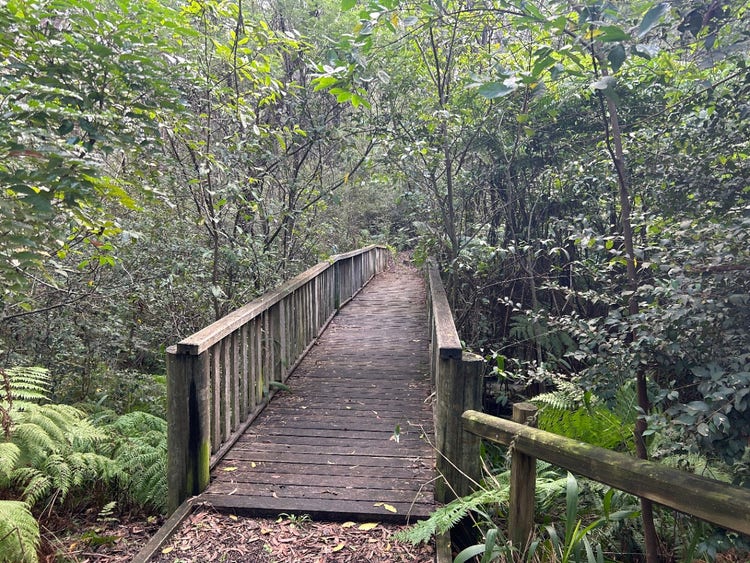
Our local environment- Geography
Stage 2
Program
Students embark on an active geographical inquiry, exploring the unique features and characteristics of their local environment. Through field investigations and data collection, they gain firsthand insights into the landscape while critically examining strategies for sustainable environmental use. This hands-on experience encourages students to connect classroom learning with real-world stewardship and responsible decision-making.
The investigation can take place:
-
as an incursion on your school grounds,
-
in a local reserve or National Park
-
at Awabakal Environmental Education Centre- Dudley Campus
Activities:
- Students observe and record the features of the environment through a sit spot and nature journaling activity.
- Students observe and collect data on the weather and discuss the importance of climate data.
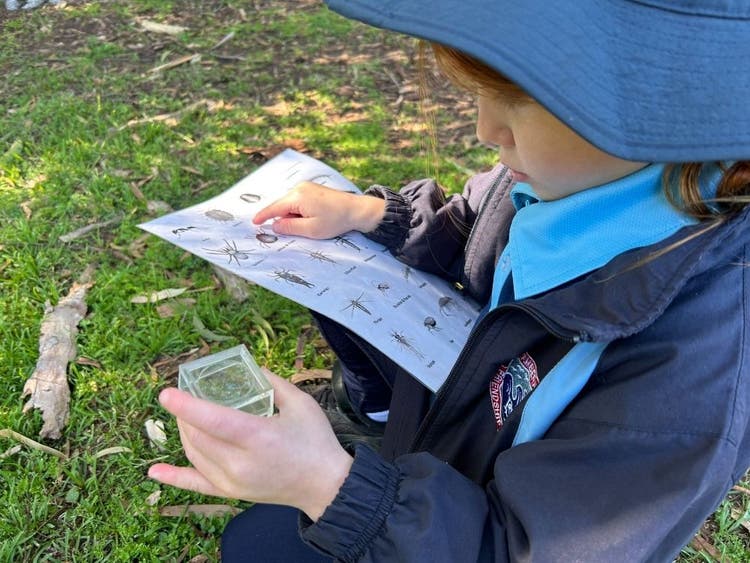
- Students conduct a native animal survey e.g. dip netting for aquatic macro invertebrates, leaf litter survey for soil invertebrates. The type of survey depends on the environment students are investigating.
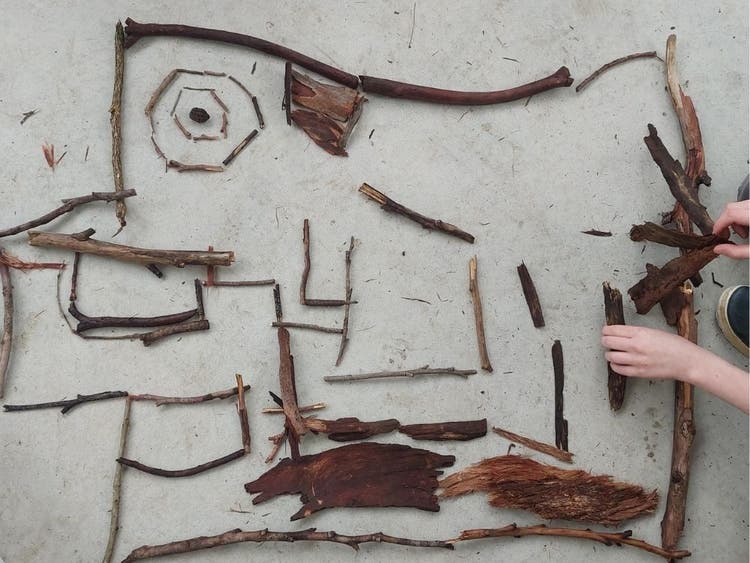
- Students draw a map for the area and construct a map using natural materials they collect.
The basic program will be changed to suit the group size and weather conditions. For further information on curriculum links, the program and excursion information see below or contact us.
Incursion programs are for Department of Education Schools only.
The location will be arranged in consultation with Awabakal Environmental Education Centre Teachers to determine the suitability of a location. This program can be delivered on your school grounds, in a local reserve or National Park.
Alternatively, this program can be delivered at Awabakal Environmental Education Centre- Dudley Campus, 51 Boundary Street, Dudley, NSW.
| What to bring |
Printed worksheets in colour, clipboard and pencil. Students should bring lunch, recess, refillable water bottle, hats, sunscreen, covered walking shoes plus any special requirements of the group (Wet weather gear when necessary). Non-aerosol insect repellent is advisable in summer. |
| Bus information | This will vary depending on the chosen excursion location. |
| Supervision |
AEEC is a NSW Department of Education school and staff are trained DoE teachers specialising in Environmental Education. AEEC teachers rely on the participation of visiting teachers to meet recommended supervision levels. Visiting teachers are ultimately responsible for behaviour of students, students with existing medical conditions or special needs. |
| Medical or special needs | Please notify Awabakal Environmental Education Centre of any medical conditions or special needs that may need to be taken into consideration when planning or delivering the program. Upon booking an excursion, a form will be emailed to complete to detail any medical or special needs. |
| Parent/ carer helpers | As our staff are Department of Education teachers we don’t require parent helpers on the day. If your school decides to bring parents, we kindly ask that you keep the number to a minimum. For safety reasons and the nature of our sites, parents will not be able to participate in activities. |
| Extreme or wet weather | Extreme weather conditions such as heavy rainfall, high winds and extreme bush fire danger may result in the excursion being modified, postponed or cancelled. If you have any concerns regarding the weather prior to the excursion, contact Awabakal Environmental Education Centre on 4955 8673 or email awabakal-e.school@det.nsw.edu.au. |
| Cancellations | Cancellations with less than three school weeks notice may incur an administration fee. This does not apply to cancellations due to weather or fire danger. |
Introduction - 10:00 am
Morning tea - 10:10 am
Two activities - 10:30am
Lunch - 12:00pm
Two activities - 12:30pm
Finish- 2:00pm
This timetable is only a guide and may be adjusted.
|
Geography outcomes A student:
|
|
Key inquiry questions The earth’s environment:
|
|
Content Different environments Students:
Significance of environments Students:
Protection of environments Students:
|