Nature detectives- Science
Early Stage 1 and Stage 1

Program
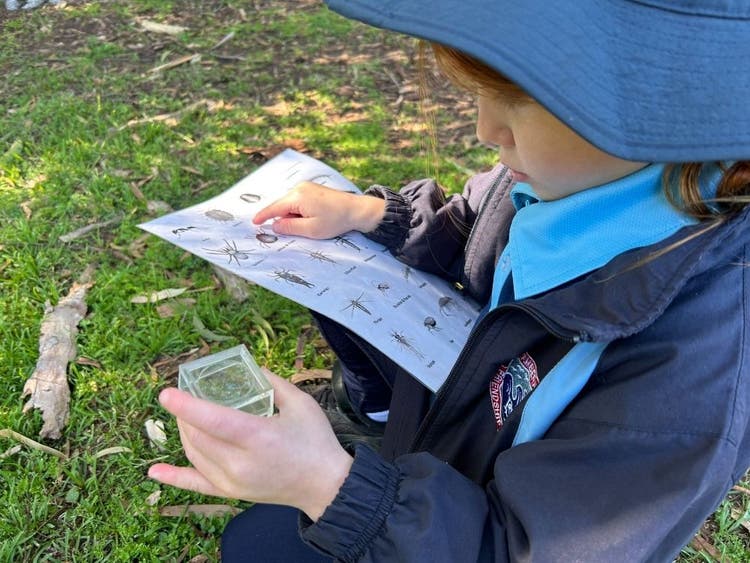
When we discover that all the small animals have disappeared from the school, students become Nature Detectives and search for clues and evidence of small animals at your school. Students search for soil invertebrates and identify and group living things using their external features. Our Nature Detectives complete a scientific drawing of one of the invertebrates collected.
Activities include:
- Conducting a leaf litter survey, searching for soil invertebrates and placing them into bug pots.
- Completing a scientific drawing.
- Classification activity using animals collected.
The duration of this program is approximately 50 minutes.
Incursion programs are for Department of Education Schools only.
The basic program will be changed to suit the group size and weather conditions.
For further information on curriculum links, the program and excursion information see below or contact us.
Awabakal Environmental Education Centre teachers will visit your school.
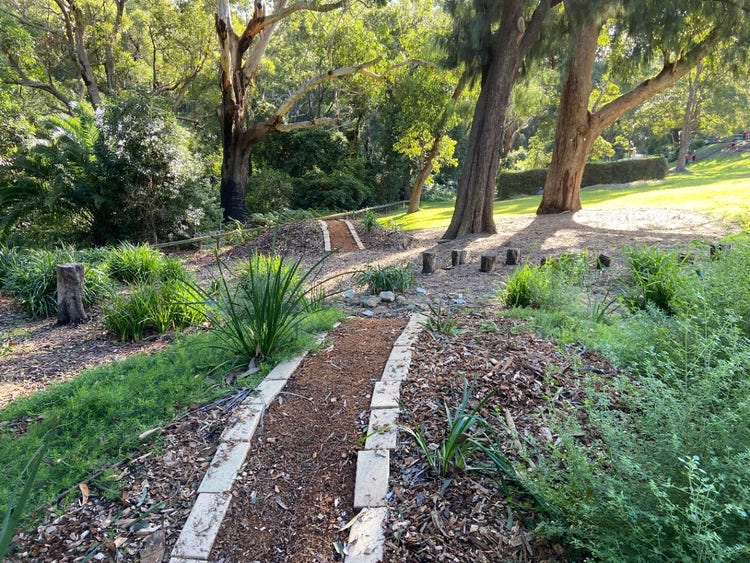
An outdoor space with gardens or an area of bush where students can search for soil invertebrates is required.
| Incursion requirements |
You will be required to provide:
Students should wear a hat, sunscreen, comfortable, covered walking shoes plus any special requirements of the group (Wet weather gear when necessary). |
| Supervision |
AEEC is a NSW Department of Education school and staff are trained DoE teachers specialising in Environmental Education. AEEC teachers rely on the participation of visiting teachers to meet recommended supervision levels. Visiting teachers are ultimately responsible for behaviour of students, students with existing medical conditions or special needs. |
| Medical or special needs | Please notify Awabakal Environmental Education Centre of any medical conditions or special needs that may need to be taken into consideration when planning or delivering the program. Upon booking an excursion, a form will be emailed to complete to detail any medical or special needs. |
| Parent/ carer helpers | As our staff are Department of Education teachers we don’t require parent helpers on the day. If your school decides to bring parents, we kindly ask that you keep the number to a minimum. For safety reasons and the nature of our sites, parents will not be able to participate in activities. |
| Extreme or wet weather | Extreme weather conditions such as heavy rainfall, high winds and extreme bush fire danger may result in the excursion being modified, postponed or cancelled. If you have any concerns regarding the weather prior to the excursion, contact Awabakal Environmental Education Centre on 4955 8673 or email awabakal-e.school@det.nsw.edu.au. |
| Cancellations | Cancellations with less than three school weeks notice may incur an administration fee. This does not apply to cancellations due to weather or fire danger. |
The incursion is approximately 50 minutes in duration.
This program can be delivered to multiple classes in one day.
Some examples of a typical schedule is as follows:
Example 1
9.00am - Class 1
10.00am - Class 2
11.00am - Break
11.30am - Class 3
12.30pm - Class 4
1.30pm - Pack up
Example 2
9.00am - Class 1
10.00am - Activity reset time
10.15am - Class 2
11.15am - Break
11.45am - Class 3
12.45pm - Activity reset time
1.00pm - Class 4
2.00pm - Pack up
This timetable is only a guide and may be adjusted.
|
Science Outcomes Early Stage 1 A student:
Stage 1 A student:
|
|
Content Early Stage 1- Content Inquiry Question: What do we notice about living things? Students:
Stage 1- Content External features of living things Inquiry question: What are the external features of living things? Students:
− native and introduced plants and animals − worms, insects, fish, reptiles, birds and mammals Working Scientifically Planning and conducting investigations. Processing and analysing data. |